

A landing page is simply the first web page a user accesses on a website. It is typically the home page, but it can be something different, like the “About Us”, “Contact Us”, or “Products”. The landing page is apparent on search engine results for Google, Bing, etc., but traffic does not necessarily have to come from search. Beyond defining a landing page, it is important to understand how it functions in generating leads.
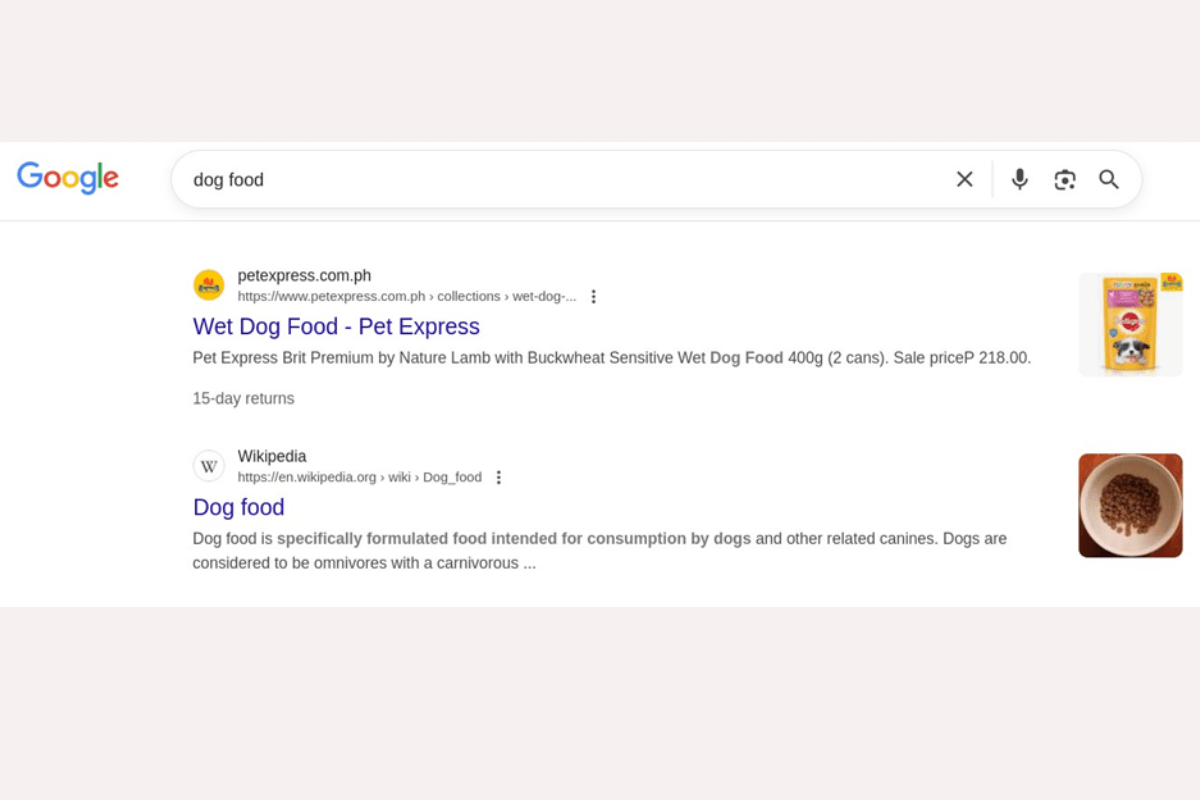
In the context of online marketing, landing pages act as an avenue for customers to learn about a business’s line of products and services. How customers find or access the landing page, other than search, is through advertisements: social media posts, promotional emails, marketing blogs, or even physical posters with linking QR codes. The first entry of a customer on the landing page is a chance for the business to generate a lead, i.e., convert the customer into a potential business partner.
When it comes to landing pages, two main strategies are usually at play: SEO (search engine optimization) and PPC (pay-per-click) advertising. Of these strategies, SEO aims to boost a website’s ranking by optimizing content, structure, and backlinks on appropriate platforms. This will help to provide more credit for the sites and generate consistent traffic. Even though it takes great patience to see results, SEO is building the basis for future development.
On the other hand, PPC aims to bring instant visitors to a landing page through paid advertisements. Businesses pay for each click their ads receive, making this strategy effective for quick visibility. However, the main challenge associated with PPC is that it requires a moderate budget to ensure the campaign is effective.
In the end, choosing between SEO and PPC depends on a business’s goals—whether it prioritizes fast results or long-term, sustainable growth.

How does a landing page generate a lead?
Generally, there are three components: a tagline, a problem statement, and a call-to-action. The tagline is critical to characterizing, succinctly, the business’s function and purpose. It is also pivotal to retain the customer until they scroll to the next statement: what problem does the business solve for them? Two goals must be achieved when customers reach this segment:
- The customer resonates with the problem as something similar to theirs and
- The customer decides they have found the best vendor to do business with.
To successfully convert the customer, a call-to-action must be present either as a button linking to a product area, an inquiry form to submit, or emails and phone numbers to contact. This ensures that the customer has options to act upon and eventually enter a business agreement. It all depends on how the customer thinks (how did they get to that point) and how the business markets and operates itself.
While we cannot guarantee to convert all customers into business partners, we can measure how many of them are funneled into the landing page. Digital analytics platforms, such as Google Analytics, can help to track incoming and outgoing traffic. Marketers can determine whether their online marketing efforts are successful by correlating the time they made their advertising campaigns to the number of customers accessing the landing page. They can then analyze activity such as clicks, scrolls, and form submissions to make impressions on which parts of the landing page to optimize. For clicks in particular, digital analytics can help marketers follow the paths of different customers and know when they drop out. One customer may straight up add a product to the cart, for example, or another may instead click the search bar and filter for a more specific product. A hypothesis for the latter could be that the initial product they accessed is not what they searched for. This information is what marketers need to take action.
In conclusion
A landing page is simply the first web page the user accesses on a website and acts as an avenue for customers to learn about a business’s line of products and services. A landing page is effective not only because of its design but because of how it attracts customers, converts interest into action, and measures performance through analytics. It is part of a wider marketing strategy to generate leads and make sales for the business. Without a well-designed and well-analyzed landing page, businesses risk losing customers the moment they access the page, which leads to a loss of potential leads and sales.